
Election Threat 2026: 10 Key Takeaways from the EI-ISAC Election Security Forum
‘Moving the Needle’ on Election Security Through Coordination, Collaboration, and Preparedness
On October 1, the Elections Infrastructure Information Sharing and Analysis Center® (EI-ISAC®) convened more than 700 election security stakeholders for Election Threat 2026: Strengthening Coordination Across State and Local Governments, a national forum focused on the evolving threats facing election administration and the partnerships necessary to address them.
 Following the forum, one participant from a Secretary of State's office remarked that they hoped the conversation would "move the needle in a positive direction for election security this cycle." That simple observation captured the purpose of the event. Election security is strengthened not through any single briefing, technology, or agency, but through the collective efforts of election officials, law enforcement, emergency managers, cybersecurity experts, and other partners working together to prepare for and respond to emerging challenges. That collaboration has never been more important. As threats to elections become increasingly complex, effective security depends on strong partnerships, trusted communication, and shared preparedness across the election community
The web event brought together election officials, law enforcement leaders, emergency managers, legal professionals, homeland security partners, cybersecurity professionals and other stakeholders from across the election ecosystem. Through threat briefings, scenario-based discussions, and insights from experienced practitioners, participants explored how cyber, physical, and information-related threats could affect election operations and how communities can prepare to respond together.
“We used the forum as an anchor event . . . where we gathered with the full array of state agencies and offices that support our elections efforts. Our attendees generally thought the CIS/EI-ISAC forum content to be appropriate, well-selected, and supportive of our local needs and efforts.”
- an election official from a participating state
This cross-sector gathering of state and local government leaders arrives at a time when election officials face an increasingly complex operating environment. Election security no longer centers on any single type of threat. Cyber incidents, misinformation campaigns, physical security concerns, threats against election workers, and disruptions to critical services can emerge simultaneously, requiring coordinated action across multiple agencies and disciplines. Success depends not only on technology and plans, but also on trusted relationships and clear communication among those responsible for protecting elections.
The strong response to the event, with 1,215 registrants, 718 attendees, a 94% satisfaction rating, and a 92% content relevance score, underscores the election community's continued commitment to collaboration and preparedness to promote election security.
The Current Threat Environment
Election stakeholders continue to operate in a complex and evolving threat landscape. Foreign and domestic threat actors, cybercriminals, and others are using cyber, physical, and information-based tactics to target election-related operations and public confidence.
Today's threat environment is:
- Multi-dimensional: Cyber, physical, and information threats can occur simultaneously.
- Rapidly evolving: Threat actors continuously adapt their tactics and techniques.
- Technology-enabled: Adversaries are increasingly leveraging technologies such as AI to amplify their activities.
- Dependent on coordination: Effective response requires strong partnerships across election offices, law enforcement, emergency management, and other stakeholders.
As one forum participant described it, today's election threat environment is "dynamic, complex, rapidly evolving, and technology-enabled."
10 Key Takeaways from Election Threat 2026
1. Election security is a team effort.
No single agency, office, or organization can address every threat facing elections. Effective election security requires coordination among election officials, law enforcement, emergency management, legal authorities, cybersecurity professionals, and government partners.
2. Relationships built before an incident are invaluable during one.
One of the clearest messages throughout the forum was that trust cannot be created in the middle of a crisis. Establishing points of contact, understanding responsibilities, and building partnerships before Election Day can significantly improve incident response when time matters most.
3. Preparation remains the most effective form of resilience.
Organizations that regularly review plans, conduct exercises, and identify gaps before an incident occurs are better positioned to respond effectively when real-world challenges arise.
4. Shared real-world experience provides lessons no exercise can replicate.
Forum participants heard directly from leaders who have navigated election-related incidents and high-pressure situations. Their experiences helped illustrate how quickly events can evolve and the importance of decisive, coordinated action.
5. Information sharing is an operational advantage.
What appears to be an isolated issue in one jurisdiction may reveal a broader trend affecting others. Sharing information quickly and responsibly helps election stakeholders identify emerging risks, improve situational awareness, and make better-informed decisions.
6. Coordination must extend beyond election offices.
Election security increasingly involves organizations that may not traditionally be viewed as part of election administration, including emergency management agencies, law enforcement partners, attorneys, public information officers, and critical infrastructure stakeholders.
7. Exercises help turn plans into action.
Scenario discussions reinforced the value of exercising response plans before they're needed. Even well-developed procedures benefit from testing, refinement, and coordination with external partners.
8. Communication is as important as response.
Managing an incident requires more than technical mitigation. Stakeholders must also communicate clearly with leadership, partner agencies, the public, and the media to maintain confidence and ensure accurate information reaches the right audiences and trust in the election process is maintained.
9. Threats continue to evolve, but so does the community's preparedness.
Election officials face a dynamic threat landscape, yet the forum demonstrated the growing maturity of election security efforts nationwide. Communities are benefiting from stronger partnerships, shared resources, and lessons learned from previous election cycles.
10. The EI-ISAC's greatest value may be the connections it creates.
While shared intelligence, alerts, guidance, and resources remain critical, the forum highlighted another essential function of the EI-ISAC: bringing together people with different responsibilities but a common mission. By consistently creating opportunities for collaboration and information sharing through events like this forum and the Election SitRoom, the EI-ISAC helps strengthen the broader election security community and provide unique value that the election community depends on.
 Turning Conversation into Action
The conversations that began during Election Threat 2026 should not end with the forum. Now is the time to strengthen partnerships, review incident response procedures, test communication pathways, and identify preparedness gaps before they are tested in a real-world event.
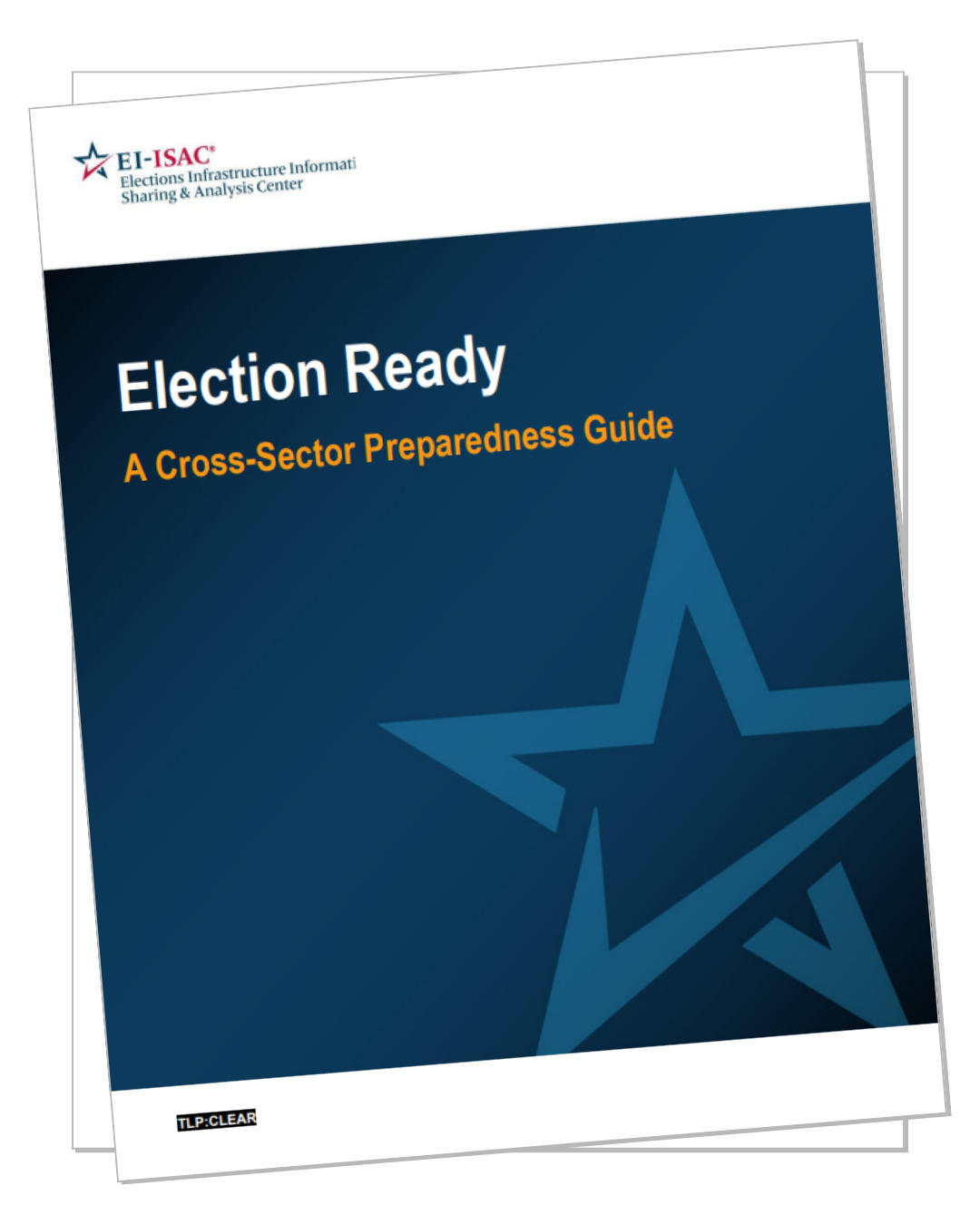
To support those efforts, the EI-ISAC encourages election officials and their partners to download and use Election Ready: A Cross-Sector Preparedness Guide, which provides practical readiness checks and coordination recommendations for stakeholders across the election security community. Whether your role involves election administration, law enforcement, emergency management, cybersecurity, or public communications, preparedness begins with understanding your responsibilities and building relationships before they are needed.
Download the guide: https://www.cisecurity.org/insights/white-papers/election-ready-a-cross-sector-preparedness-guideLearn more about the EI-ISAC at https://www.cisecurity.org/ei-isac.
As of June 23, 2025, the MS-ISAC has introduced a fee-based membership. Any potential reference to no-cost MS-ISAC services no longer applies.